
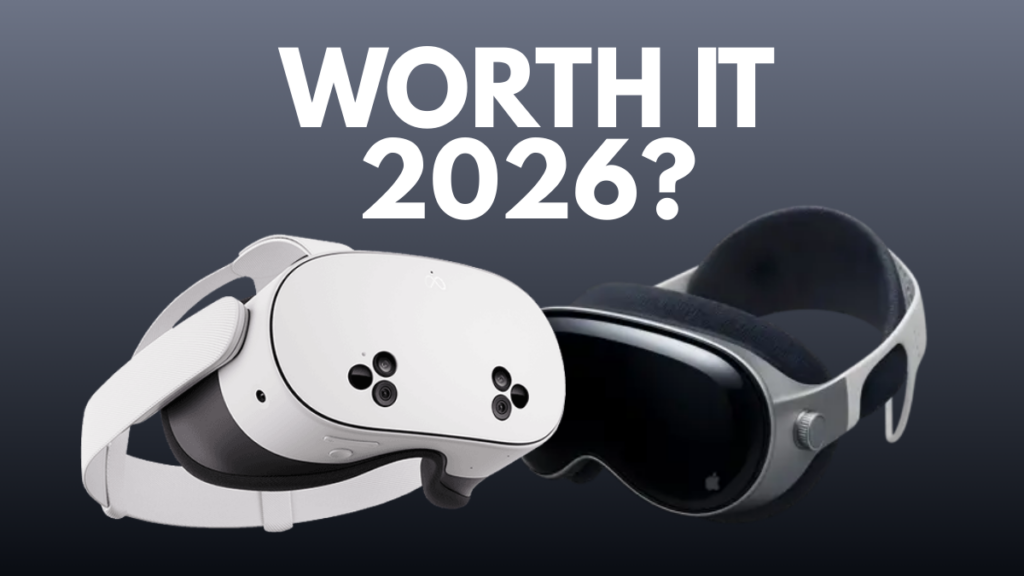
Is VR Worth It in 2026? An Honest Look at Virtual Reality Today
Virtual reality has been somewhat of a futuristic vision for a long time now, so it’s fair to ask a simple question in 2026, is VR actually worth getting into, or is it still more novelty than necessity?
The truth sits somewhere in the middle. Most VR headset have clearly evolved in some areas, while others still feel somewhat unfinished. Whether it’s worth it depends heavily on how you plan to use it.
Where VR actually shines in 2026
Immersive Gaming
Gaming remains VR’s strongest use case.
When VR works well, it delivers experiences that flat screens simply can’t replicate. First person games feel more intense, horror games are genuinely unsettling, and open-world titles create a real sense of exploration.
That said, VR doesn’t replace traditional gaming. It works best as something you dip into rather than something you use every single day.
Health & Fitness
VR fitness has quietly become one of the most practical uses of the technology.
Many VR games and apps are designed to get you moving without feeling like you're exercising. For some people, this has made the difference between staying active and doing nothing at all.
It’s not magic, but it’s effective. If you're considering buying a VR headset to kick start your fitness journey, you might be pleasently suprised by how much it can actually help.
Video Content
Watching content in VR has massively improved, even if it hasn’t gone mainstream yet.
Virtual cinemas feel more comfortable than they used to, 180° and 360° videos look noticeably better on modern headsets, and live virtual events feel more social than ever before.
It’s not replacing TVs or monitors, but it’s no longer just a gimmick.
Instead of doomscrolling tiktok, or youtube shorts on your phone, VR gives you a much more immersive expereince. It's definately something we reccomend you try out.
Where VR Still Falls Short
Usability & Comfort
VR still requires effort.
You still need space, battery charge, and the right mindset. Those factors alone make VR a hurdle from becoming an everyday device for most people.
Until VR becomes easier to use than a phone or laptop, it will stay as it is.
Lack of Truly Deep Software
There are lots of VR apps, but not many that feel essential.
Many games or apps are short, experimental, or repetitive. There are standout titles, but there isn't enough long-term apps that keep people coming back for years.
This is one of VR’s biggest bottlenecks.
Awkwardness
VR is still a socially awkward technology.
Wearing a headset isolates you physically, even when you’re interacting with others digitally. That limits how often people naturally choose VR over more passive tech.
Until XR (eXtended Reality) really takes an uptick in widepsread adoption, you'll still look like an android if you go out wearing a headset.
So, Is VR Worth It in 2026?
VR is worth it if you enjoy immersive gaming, want a more engaging way to stay active, or simply like exploring new technology.
It’s probably not worth it if you want something quick, passive, or essential to daily life.
VR isn’t dying, but it’s not exploding either. It’s slowly nestling into a niche that makes sense for the right people.
We still have a ways to go before we have widespread adoption of VR, AR and XR, but that day will come & when it does, I'll be ready with my wallet out!
More VR Stories
What Will VR Be Like in 10 Years?
Remember that time we figured VR headsets would turn us into total badasses? Nope, didn’t think so. Still, even as we’re fumbling around with…
Read Article
Why VR Still Hasn’t Gone Mainstream
For over a decade, VR has felt like it’s “almost there”. Almost comfortable enough Almost convenient enough. Almost mainstream. But “almost” isn’t good enough…
Read Article
Why Most People Quit VR (And What Actually Keeps Them Using It)
When somebody puts on a VR headset for the first time, awe & excitment fill their minds. It’s like they’ve stepped into a completely…
Read Article