
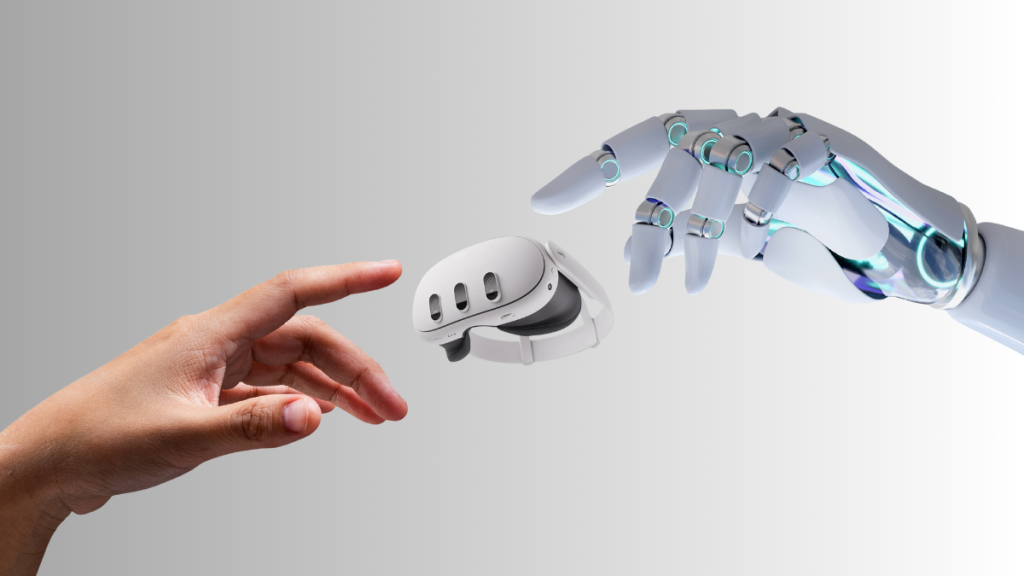
How AI Will Revolutionize Virtual Reality
AI and VR teaming up? It's creating stuff that seemed totally out of reach just a few years ago.
Those headsets keep advancing. Algorithms for AI get sharper all the time.
Right now, we're seeing a massive change in how games play out, training happens, and folks link up inside digital realms.
AI Takes VR To The Next Level
Smarter NPCs and Dynamic Storytelling
So, what's AI doing to amp up VR games? Old-school versions followed rigid paths, but that's flipping quick. Today's setups include non-player characters that hold onto details about you. They chat back in ways that come across real, adjusting how they act depending on your choices. Imagine diving into some epic quest where every figure acts alive, thinking on their feet rather than spitting out preset lines.
Procedural Worlds and Infinite Replayability
With procedural generation powered by AI, you get endless worlds that switch up constantly. No more slogging through the same designer-made stages. Instead, these systems whip up fresh landscapes, missions, and obstacles each time you jump in.
Games on rigs like the Meta Quest 3 or PlayStation VR2 already rely on this for their biggest hits. To chase top-tier play with all that smart tech? Grab a strong headset packing real computing power. Controllers that track movements spot-on help a ton when you're dealing with clever simulated spots.
Performance Gains Through AI Optimization
One huge plus from AI in VR? It smooths things out and opens doors wider. Pair eye tracking with algorithms for foveated rendering, so only what's in your direct gaze gets ultra-sharp, while edges blur a bit. You barely spot it, yet the whole rig runs way better. Upscaling tricks, like what NVIDIA does with DLSS, push high-end looks to self-contained headsets. Stunning images, no need for a pricey computer tower.
On something like a Meta Quest 3, Valve Index, or HTC Vive Pro 2, this boost lets them outperform expectations.
Personalized VR Experiences Powered by AI
Personalization stands out too. Algorithms pick up on your habits to shape VR sessions just for you. Apps for workouts scan how you move, monitor gains, and tweak difficulty to fit your current shape.
Throw in gear like resistance straps or heavy vests, and you've got full-body plans that feel smart. Systems suggesting content sift through options based on what you like, helping you find fresh games or tools you'll dig. Super handy as libraries on these platforms balloon.
AI-Enhanced Social Interaction in Virtual Worlds
AI shakes up social spots in VR with cool twists. Instant translation knocks out language walls, so people from everywhere talk without hitches in shared worlds. Blend detailed face scanning with AI to mirror your tiny expressions on avatars. Hangouts and work chats start feeling oddly authentic. Tools for voice commands and processing language make controls effortless. Skip fumbling with buttons, just say what you want to handle virtual stuff. Plus, it aids those who can't move easily.
Revolutionizing Training and Education with AI VR
In job training, AI-fueled VR changes everything across fields. Future doctors rehearse operations in lifelike setups where algorithms pull in real case surprises. Aviators face sims with smart weather shifts and crises. Tech pros tinker with tricky gear in responsive digital zones. Learning tools shine just as bright. Kids wander through past eras, poke at tiny building blocks of matter, or tour far-off worlds, while adaptive guides tweak lessons to how each person learns.
For these intricate uses, headsets with sharp visuals and exact finger sensing are key.
Realistic Touch: AI and Advanced Haptic Feedback
AI even makes virtual items tangible via upgraded touch feedback. Gloves assess what you're grabbing digitally and deliver the right vibrations. Handling a hard metal gadget versus plush cloth? The system nails the expected feel. Suits for your torso or full tracking outfits ramp up realism, especially for play or practice drills.
Getting Started with AI-Powered VR Hardware
Eager to try this advanced AI-VR mix? Kick off with an up-to-date headset. The Meta Quest 3 shines for independent smart features, while tethered PC options deliver raw strength for heavy tasks.
Most new models include solid controllers for precise motion, but carve out space, say at least 6.5 feet square, for moving around freely.
Essential Accessories to Enhance the Experience
Boost your gear with must-haves: extra batteries that recharge for long hauls, setups to manage cords without snarls, soft silicone pads for your face, and lens adapters if glasses are your thing. In workout modes, add bands for pull, weights around ankles, or dedicated fitness add-ons.
Sound plays a big role in pulling you in. Grab over-ear cans or specialized audio with 3D effects to heighten those intelligent sessions.
The Future of VR: Intelligent, Adaptive Digital Worlds
Merging AI with VR goes beyond nicer pictures or easier runs. Think about it, we're witnessing smart digital realms that adjust, absorb info, and react to you like nothing before. Across playtime, workouts, job prep, and schooling, this tech taps into what VR can really do.
As it all advances, the thrills just build.
Gamer at heart, exercise fan, or someone hunting sharper skills? This smart VR brings real shifts. Immersive worlds aren't merely pretend anymore. They're clever and responsive, ready for you today.
More VR Stories
Why VR Still Hasn’t Gone Mainstream
For over a decade, VR has felt like it’s “almost there”. Almost comfortable enough Almost convenient enough. Almost mainstream. But “almost” isn’t good enough…
Read Article
Why Most People Quit VR (And What Actually Keeps Them Using It)
When somebody puts on a VR headset for the first time, awe & excitment fill their minds. It’s like they’ve stepped into a completely…
Read Article
PCVR vs Standalone VR: Which One Should You Actually Choose?
If you’re thinking about taking the plunge, and diving into the world of virtual reality, one of the first decisions you’ll run into is…
Read Article